
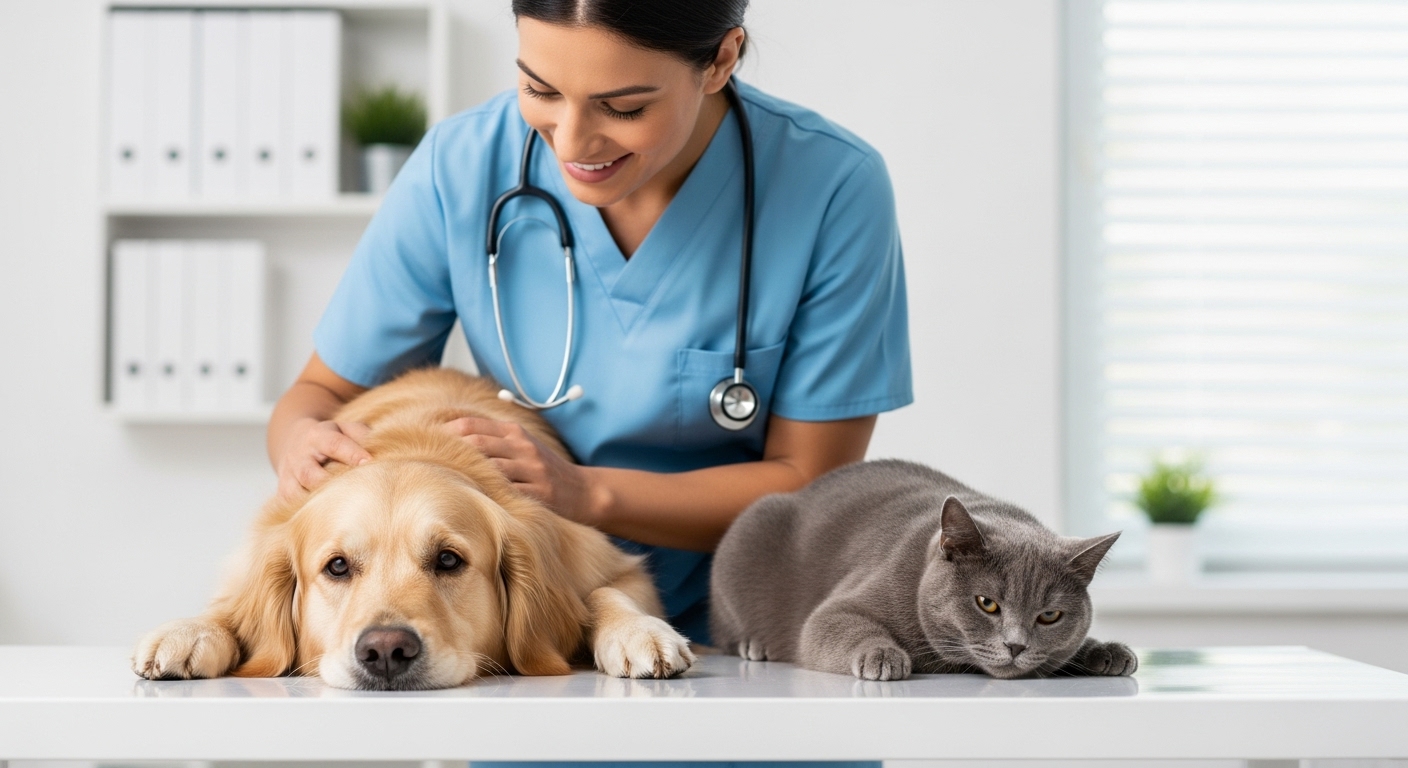
Having a pet means living a story of unconditional love. They don’t speak, but they express everything through their gaze, affection, and gestures. The problem is that because they can’t tell us what they feel, many signs of illness go unnoticed—until they become something serious.
That’s why it’s essential to learn to listen to your dog or cat’s body and behavior. In this article, you’ll discover 5 silent symptoms that may indicate serious diseases and how to act before it’s too late.
🩺 1. Changes in Appetite or Weight
If your pet starts eating less, rejecting food, or even eating too much, it’s a warning sign. These changes can be linked to kidney problems, liver issues, diabetes, or hormonal disorders.
Even small weight variations in a short period deserve attention. Cats, for example, can develop hepatic lipidosis, a dangerous disease that occurs when they stop eating for a few days.
👉 Warning: If appetite changes for more than two days, seek a veterinarian immediately.
💧 2. Excessive Thirst and Urination
Drinking too much water may seem like a good thing, but it’s one of the most common symptoms of serious diseases like diabetes, kidney failure, or urinary tract infections.
Also observe whether your pet is urinating more frequently or in different places than usual. In cats, this behavior can indicate cystitis or even bladder crystals, which cause pain and risk of urinary obstruction.
👉 If the water bowl is always empty, don’t ignore it. This is a silent cry for help.
💤 3. Fatigue and Loss of Energy
A dog or cat that has always been active but suddenly becomes apathetic, drowsy, or indifferent may be sick. Lack of energy can have various causes: anemia, infections, heart disease, hormonal issues, or even animal depression.
Don’t confuse calmness with weakness. If your pet sleeps all the time or seems discouraged, they need to be evaluated.
👉 Tip: Notice if their gaze seems “dull”—this says a lot about their health status.
🦷 4. Bad Breath and Changes in Gums
Simple bad breath can hide serious dental problems, infections, or even liver and kidney diseases. Gums also reveal a lot:
- Pale: indicates anemia
- Yellowish: may point to jaundice
- Purple or bluish: signals lack of oxygenation
👉 Check your pet’s mouth frequently, and at the slightest sign of change, seek the veterinarian. Untreated oral diseases affect the heart and other vital organs.
🕯️ 5. Subtle Behavioral Changes
Has your pet started hiding, growling, excessively licking one area, or simply acting differently? These behaviors may indicate pain, discomfort, or neurological diseases.
Sick cats tend to isolate themselves. Sick dogs may become irritable or anxious. Since they can’t say “I’m in pain,” they show it through actions and postures.
👉 Observe and write down strange behaviors. This helps the veterinarian understand what’s happening.
❤️ Conclusion: Love Shows Through Care
Silent symptoms are messages that your pet’s body sends when something isn’t right. Noticing early is an act of love that can save lives.
➡️ Take your pet to the veterinarian regularly, even if they seem healthy. ➡️ Observe, touch, talk, and pay attention. They speak, but in a different way.
Your dog or cat trusts you to protect them. And often, the first warning sign is in the small details of everyday life.

🐾 Bonus Tip:
Create the habit of doing an “affection check-up”: Run your hand over your pet’s body, look at their eyes, ears, teeth, and behavior. Five minutes of attention per day can prevent months of suffering.